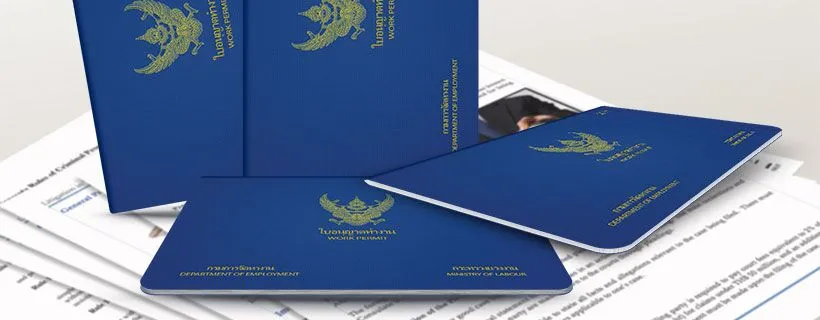
A Thai work permit is a fundamental legal requirement for foreigners who wish to work in Thailand. Whether employed by a Thai company, managing a business, or providing professional services, foreign nationals must obtain proper authorization before engaging in any form of work. Thailand maintains strict labor and immigration regulations, and working without a valid permit can result in serious penalties, including fines, deportation, and blacklisting.
Thailand remains an attractive destination for expatriates due to its growing economy, strategic location in Southeast Asia, and opportunities in sectors such as technology, education, tourism, manufacturing, and international business. However, the legal framework governing foreign employment is detailed and compliance-driven. Both employees and employers must meet specific requirements relating to company structure, capital, tax registration, and labor ratios.
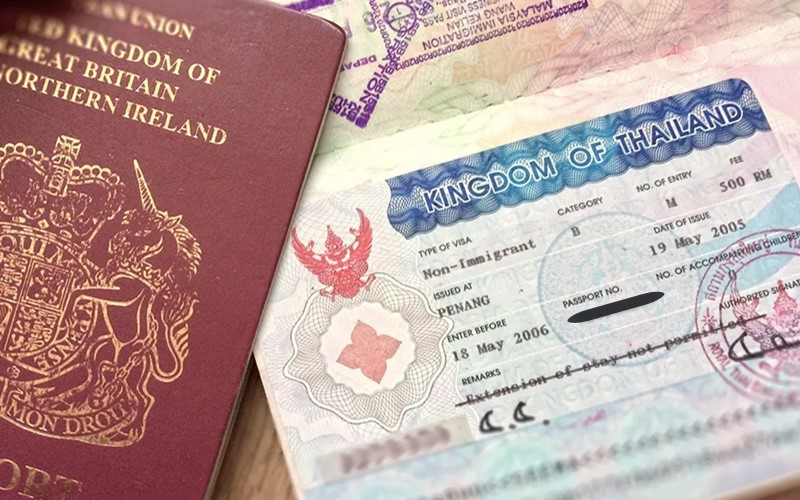
Unlike some countries where a visa alone authorizes employment, Thailand separates immigration status from work authorization. A foreigner must first obtain the appropriate visa—usually a Non-Immigrant “B” (Business) visa—before applying for a work permit. The work permit itself is issued by the Ministry of Labour and strictly defines the scope of permitted activities.
This article provides a comprehensive overview of Thai work permits, including legal definitions, eligibility requirements, application procedures, employer obligations, restricted occupations, and common compliance risks.
What Is a Thai Work Permit?
A work permit in Thailand is an official document issued by the Ministry of Labour that allows a foreigner to work legally in the country. It specifies:
- the employer’s name
- the job position
- the workplace location
- the scope of permitted duties
A foreigner is only allowed to perform the specific job described in the work permit. Any change in employer, job role, or work location requires an amendment or a new permit.
Under Thai law, “work” is broadly defined. It includes not only formal employment but also any activity involving physical or mental effort, regardless of whether compensation is received.
Legal Framework Governing Work Permits
Work permits in Thailand are governed by:
- Alien Employment Act (B.E. 2551, amended)
- Immigration Act
- Ministry of Labour regulations
- Foreign Business Act (in certain employment contexts)
These laws regulate:
- who may work in Thailand
- the types of jobs foreigners can perform
- employer obligations
- penalties for non-compliance
Who Needs a Work Permit?
Any foreign national engaging in work activities in Thailand must obtain a work permit.
Examples include:
- full-time employees
- company directors actively managing a business
- consultants or advisors performing services
- teachers and instructors
- freelancers working under Thai contracts
Even unpaid work or volunteer activities may require a permit if they involve structured responsibilities.
Visa Requirement Before Applying
Before applying for a work permit, a foreigner must obtain a valid visa.
Common Visa Types
- Non-Immigrant “B” (Business Visa)
- Non-Immigrant “O” (in limited cases, such as marriage to a Thai national)
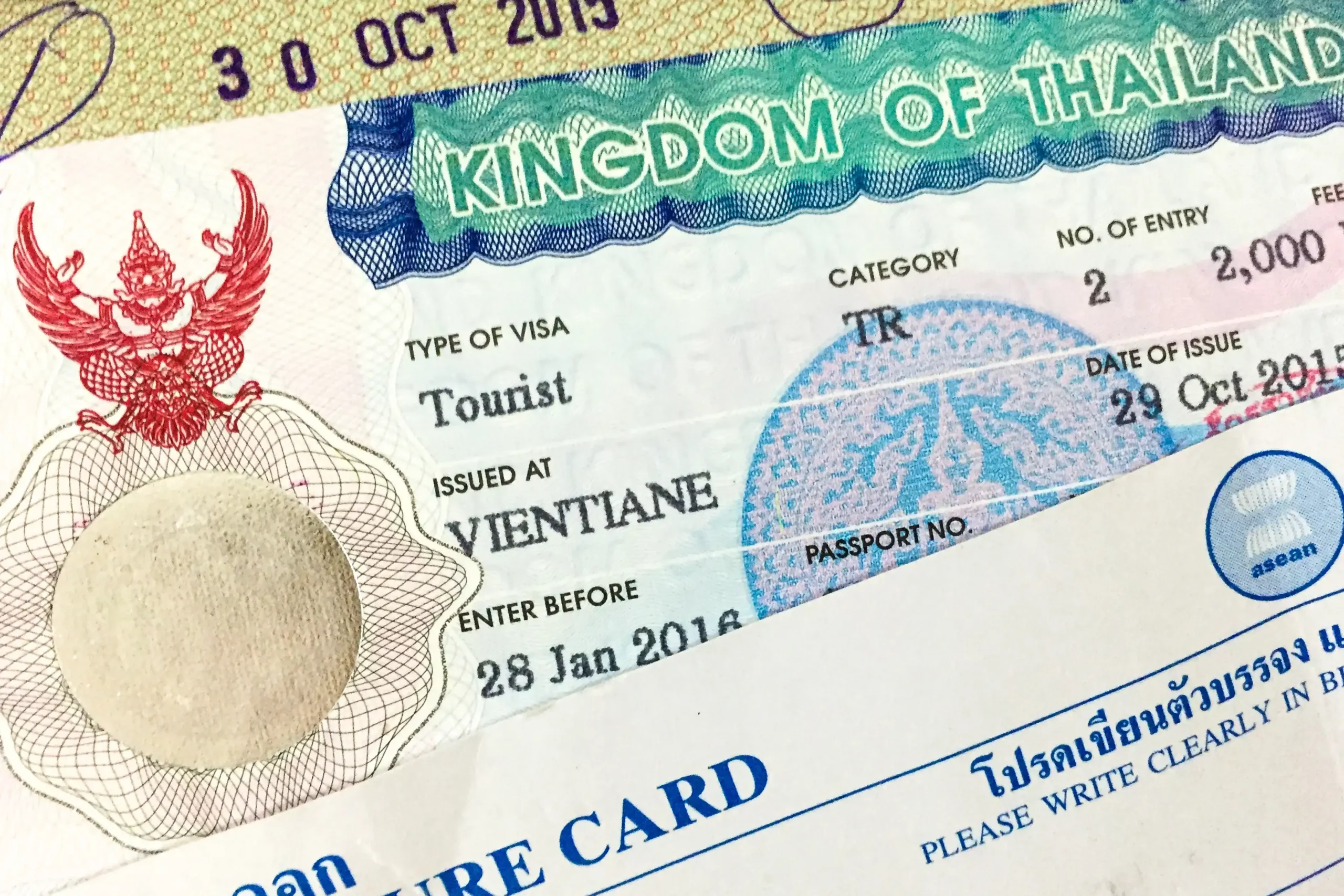
A tourist visa does not allow work permit issuance.
Employer Requirements for Hiring Foreigners
Employers must meet specific criteria to sponsor a foreign worker.
Key Requirements
- registered Thai company
- minimum registered capital (typically 2 million THB per foreign employee)
- proper tax registration
- VAT registration (if applicable)
- financial statements showing business activity
Thai-to-Foreigner Ratio
In many cases, companies must employ at least:
- 4 Thai employees per 1 foreign employee
This ratio may vary depending on business type and special privileges.
BOI and Special Cases
Companies promoted by the Thailand Board of Investment (BOI) may receive exemptions or relaxed requirements, such as:
- reduced capital requirements
- flexible employee ratios
- faster processing
Work Permit Application Process
Step 1: Company Preparation
The employer prepares required documents, including:
- company registration certificate
- list of shareholders
- financial statements
- office lease agreement
- tax filings
Step 2: Employee Documentation
The foreign applicant must provide:
- passport and visa
- educational qualifications
- resume or work experience
- medical certificate
- photographs
Step 3: Submission to Ministry of Labour
The application is submitted to the Department of Employment.
Authorities review:
- company eligibility
- job necessity for a foreigner
- compliance with labor regulations
Step 4: Approval and Issuance
If approved, the work permit is issued as a physical document (or digital record in newer systems).
The foreigner must:
- sign the permit
- carry it when working
- comply with its conditions
Processing Time
Processing may take:
- several days to a few weeks, depending on complexity
Validity and Renewal
Work permits are typically valid for:
- up to 1 year (aligned with visa validity)
Renewal requires:
- updated company documents
- proof of ongoing employment
- tax compliance
Restricted Occupations for Foreigners
Thailand prohibits foreigners from engaging in certain occupations reserved for Thai nationals.
Examples of Restricted Jobs
- manual labor
- retail trade (small-scale)
- agriculture and farming
- traditional crafts
- hairdressing and beauty services
- driving (in many cases)
These restrictions aim to protect local employment.
Employer and Employee Obligations
Employee Responsibilities
- work only within the permitted role
- carry the work permit while working
- report address changes
- comply with visa conditions
Employer Responsibilities
- ensure legal employment conditions
- maintain proper tax and payroll records
- report termination of employment
- notify authorities of changes
Changing Jobs or Employers
A work permit is tied to a specific employer.
If a foreigner changes jobs:
- the existing permit must be canceled
- a new permit must be issued
Working for a new employer without updating the permit is illegal.
Penalties for Non-Compliance
Thailand enforces strict penalties for violations.
For Foreign Workers
- fines
- deportation
- blacklisting from re-entry
For Employers
- fines
- business penalties
- legal liability
Even minor violations can lead to serious consequences.
Digital Work Permit Developments
Thailand has introduced digital systems to streamline work permit processing.
These systems aim to:
- reduce paperwork
- improve efficiency
- allow online tracking
However, compliance requirements remain strict.
Common Challenges for Foreign Workers
Foreigners often encounter issues such as:
- incomplete documentation
- misunderstanding visa requirements
- employer non-compliance
- delays in processing
- restrictions on job roles
- language barriers
Proper preparation helps avoid these problems.
Practical Tips for Obtaining a Work Permit
To improve success:
- secure the correct visa before applying
- ensure employer meets legal requirements
- prepare complete and accurate documents
- verify job description aligns with qualifications
- consult legal or visa specialists if needed
Conclusion
A Thai work permit is an essential legal requirement for any foreigner seeking to work in Thailand. It defines the scope of employment and ensures compliance with Thailand’s labor and immigration laws. The process involves coordination between the employee and employer, requiring proper documentation, company eligibility, and adherence to strict regulatory standards.
While Thailand offers significant opportunities for foreign professionals and investors, the legal framework is precise and must be followed carefully. Understanding visa requirements, employer obligations, restricted occupations, and compliance rules is critical to avoiding penalties and ensuring a smooth working experience.
With proper planning and adherence to legal procedures, obtaining a Thai work permit can be a straightforward process, allowing foreigners to work legally and contribute to Thailand’s dynamic economy.